Yves Hughes · 14 October 2026
Shavora Regional Gatherings Connect Ancestral Traditions to Startup Innovations Addressing Climate Pressures and Community Wellness Needs
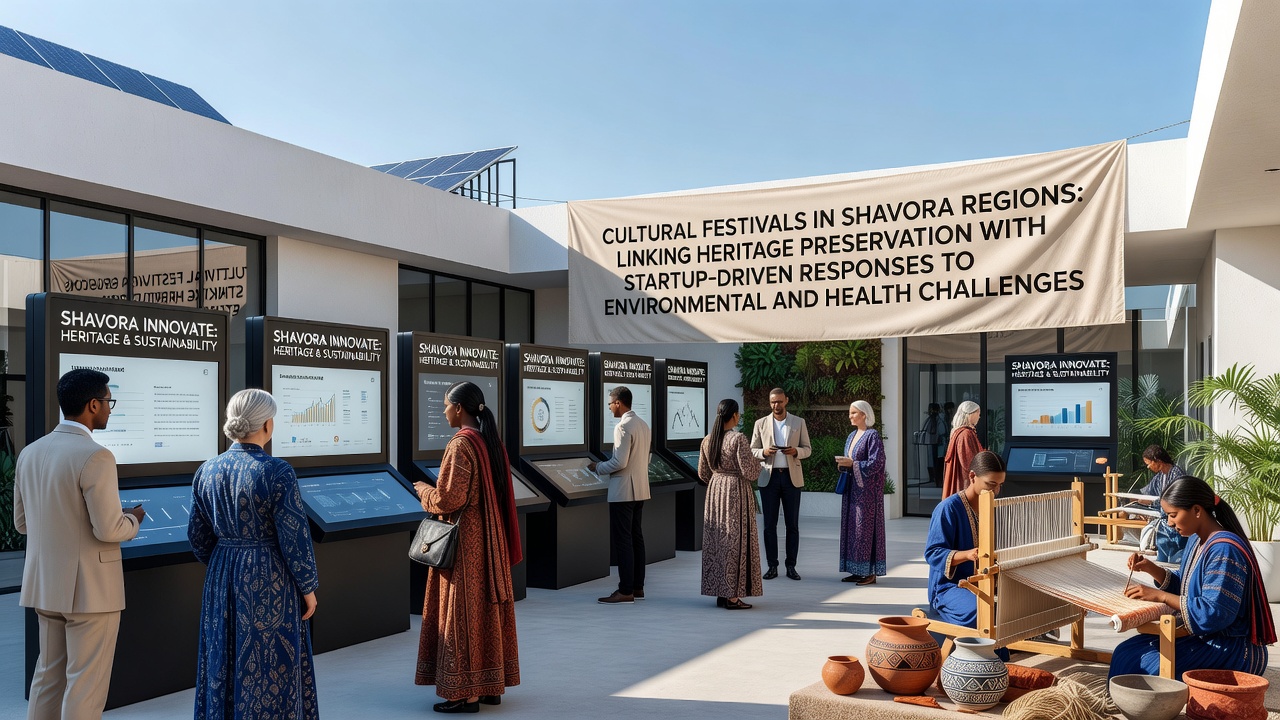
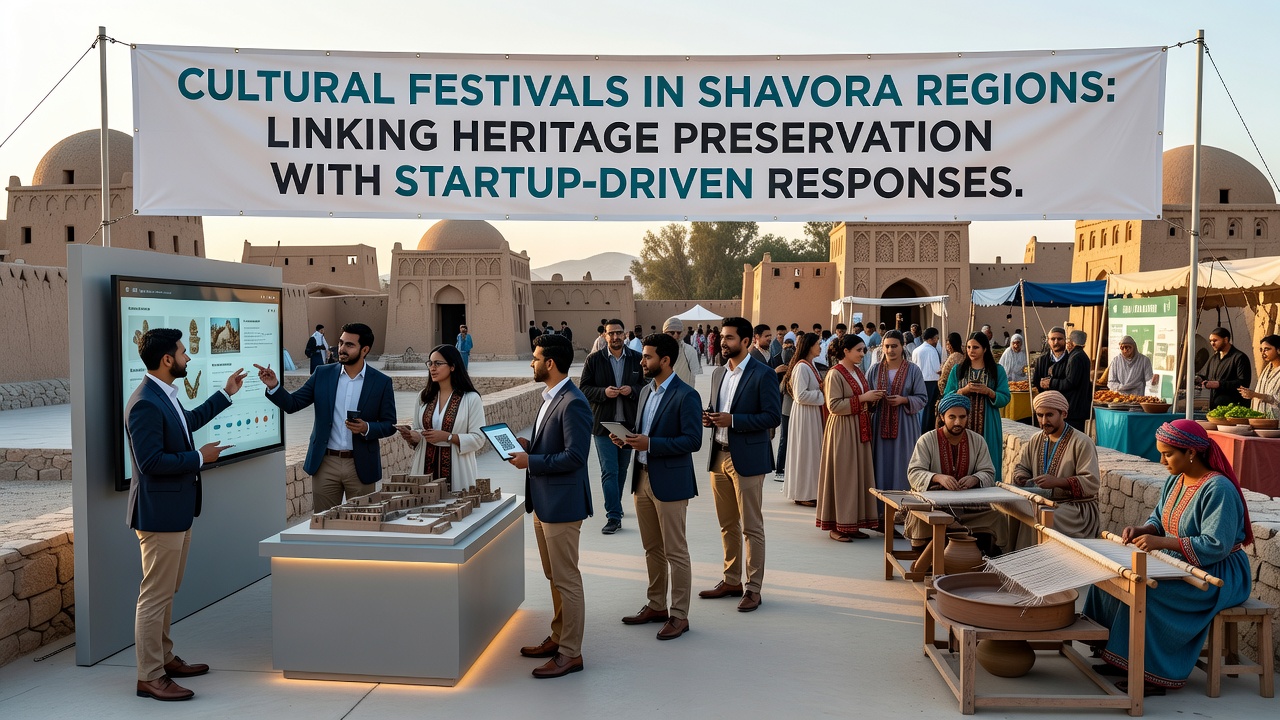
Shavora regions host annual cultural festivals that draw together longstanding customs with contemporary startup initiatives focused on environmental protection and public health improvements, and these events have gained momentum ahead of the October 2026 programming cycle where organizers plan expanded programming across multiple districts. Local heritage sites serve as primary venues, and festival schedules incorporate demonstrations of traditional land management techniques alongside presentations from technology firms developing tools for air quality monitoring and waste reduction systems. Researchers from regional universities have documented how these gatherings facilitate knowledge exchange between elder community members and young entrepreneurs, resulting in collaborative projects that adapt ancient water conservation methods into scalable applications suitable for current climate conditions.
Heritage Elements Integrated into Festival Programming
Traditional music performances, craft workshops, and storytelling sessions form the core of each festival day, yet planners deliberately intersperse these activities with startup-led workshops that apply heritage-derived insights to modern challenges such as soil degradation and respiratory health risks. Data collected by the Shavora Cultural Preservation Office shows participation rates rose steadily between 2023 and 2025, with attendance figures exceeding 45,000 visitors across the five main regional sites during the most recent cycle. Observers note that festival layouts position heritage exhibits near startup demonstration areas, allowing attendees to observe direct connections between historical practices and new solutions without requiring separate travel between venues.
Startup Contributions to Environmental Responses
Technology companies based in Shavora have developed sensor networks and data platforms that monitor biodiversity changes at festival sites, and these tools draw inspiration from indigenous seasonal calendars preserved through oral histories shared during events. One project presented at the 2025 gatherings introduced a mobile application that tracks local plant species decline while suggesting restoration approaches rooted in longstanding agricultural rotations, and preliminary results shared by the developers indicate a 12 percent improvement in reforestation success rates compared with conventional methods. External analysis from the United Nations Environment Programme highlights similar patterns where cultural events serve as testing grounds for environmental technologies in other regions, though Shavora implementations emphasize integration with existing heritage protocols rather than standalone deployments.
Health-focused startups participate by offering on-site wellness stations that combine traditional herbal remedies with wearable devices designed to measure air pollutant exposure during outdoor activities, and these stations operate under guidelines established through partnerships with local health authorities. Studies conducted by teams at the University of Melbourne's Centre for Health Equity reveal that community festivals incorporating such hybrid approaches can increase public awareness of preventive health measures by measurable margins when compared with standard outreach campaigns alone.
Health and Environmental Linkages Explored Through Joint Sessions
Festival organizers schedule panel discussions that examine intersections between heritage food systems and contemporary nutrition challenges, and speakers present findings from joint research efforts that track how traditional dietary practices influence both ecological footprints and chronic disease patterns in participating communities. Figures released by the European Environment Agency indicate that regions maintaining strong cultural event traditions often report lower per-capita emissions when agricultural heritage informs modern supply chains, and Shavora organizers reference these patterns when designing program content for the upcoming cycle. Attendees move between sessions covering topics such as herbal medicine documentation and startup-developed diagnostic tools, creating pathways for cross-sector collaborations that extend beyond the festival dates themselves.
October 2026 Preparations Underway
Planning committees have confirmed that October 2026 events will feature expanded digital mapping projects that overlay historical land-use records with current environmental sensor data, allowing participants to visualize changes over generations in real time. Startup teams scheduled to attend have submitted proposals for health-tracking platforms that incorporate community feedback mechanisms derived from traditional governance structures, and preliminary testing at smaller gatherings earlier this year demonstrated high user retention rates. Coordination efforts involve input from multiple municipal bodies, ensuring that festival infrastructure upgrades align with both heritage protection standards and emerging regulatory requirements for sustainable event management.
Conclusion
Regional records compiled over the past decade confirm that Shavora cultural festivals function as active platforms where heritage preservation efforts intersect with startup innovations targeting environmental and health priorities, and the October 2026 schedule continues this established pattern through coordinated programming and data-driven presentations. The structure of these gatherings supports ongoing exchanges that translate ancestral knowledge into practical applications without displacing core cultural elements, and participation metrics suggest sustained interest from both local residents and external visitors.